

Last updated on October 13, 2026
A large mirror is one of those items that looks straightforward to move; after all, it’s just glass in a frame, right? But mirrors are fragile, deceptively heavy, and surprisingly easy to damage if you don’t know what you’re doing.
The corners chip. The surface cracks. Pressure in the wrong place fractures the glass from the inside out. A small mistake during packing or loading can leave you with a shattered mirror and no way to fix it.
Moving a large mirror safely, however, is absolutely doable. You just need the right technique, materials, and a bit of care. Here’s how to pack and transport large mirrors so they arrive at your new home in perfect condition.
Why Large Mirrors Need Extra Care When Moving
Large mirrors may look sturdy, but the glass is far more fragile than it appears. Unlike other household furniture, glass cannot flex to absorb bumps or movement. A sudden impact, pressure or shift during transport can cause it to crack or shatter, even when the force doesn’t seem particularly strong.
The edges and corners are especially vulnerable. They can chip or crack if they hit a hard surface, making proper protection essential. Framed mirrors can also be more difficult to move safely. Ornate or heavy frames add weight and can put extra stress on the glass, especially if the mirror is lifted or carried incorrectly.
Then there’s the journey itself. A mirror doesn’t necessarily stay where you put it inside a moving truck. Braking, turning, and uneven roads can cause it to slide or shift, potentially putting pressure on the glass or allowing it to collide with other items.
Weight matters, too. A large floor mirror or heavily framed piece can weigh 30, 40 or even 50 kilograms or more. The heavier the mirror, the more momentum it can gain when it moves, making an unsecured mirror particularly difficult to control.
The safest approach is to treat a large mirror as fragile, specialised cargo rather than ordinary household furniture. With the right preparation, protection and positioning, you can significantly reduce the risk of cracks, chips or breakage during your move.
Start With a Plan
Before you move your mirror, take a few photos from different angles. Pay particular attention to the frame, hanging hardware and back of the mirror. If it’s mounted to the wall, photograph how it’s secured. These photos can be useful when you’re ready to put everything back together at your new home.
Measure the mirror and, if possible, check its weight. This will help you work out how much protection you’ll need and whether you need a specialist mirror box. Take note of any features that need extra care, such as bevelled edges, delicate frames, antique finishes or decorative details.
Gather everything you need before you start:
- A sturdy box or mirror moving box
- Packing paper or kraft paper
- Bubble wrap
- Foam or cardboard corner protectors
- Heavy-duty packing tape
- Moving blankets or furniture pads
- Packing foam or crumpled paper for cushioning
- Cardboard dividers if you’re packing multiple items together
- A permanent marker
- Gloves for handling the mirror safely
It’s also worth setting up a clear workspace before you begin. You’ll be handling a large, awkward and fragile item, so work on the floor or a sturdy, level surface rather than trying to pack it while standing on a ladder or balancing it somewhere unstable.
Remove the Mirror Safely from the Wall
If the mirror is wall-mounted, take your time when removing it. First, work out exactly how it’s attached. You may find brackets, D-rings, a French cleat or adhesive holding it in place.
Bracketed mirrors: Carefully loosen the brackets while supporting the mirror’s weight. Ideally, have someone hold the mirror while you remove the hardware.
Adhesive-mounted mirrors: These can be harder to remove without damaging the mirror or the wall. A plastic scraper or putty knife may help you work gently around the edges, but don’t force it if the mirror won’t release. For a heavily bonded or particularly valuable mirror, professional removal may be the safer option.
Get a second pair of hands: Large mirrors are awkward to carry, even when they’re not particularly heavy. Having someone support the mirror while you remove it makes it much easier to keep it under control.
Once the mirror is down, place it gently on a flat, protected surface. Avoid leaning it against a wall at an angle while you’re working, as uneven pressure can put unnecessary stress on the glass.
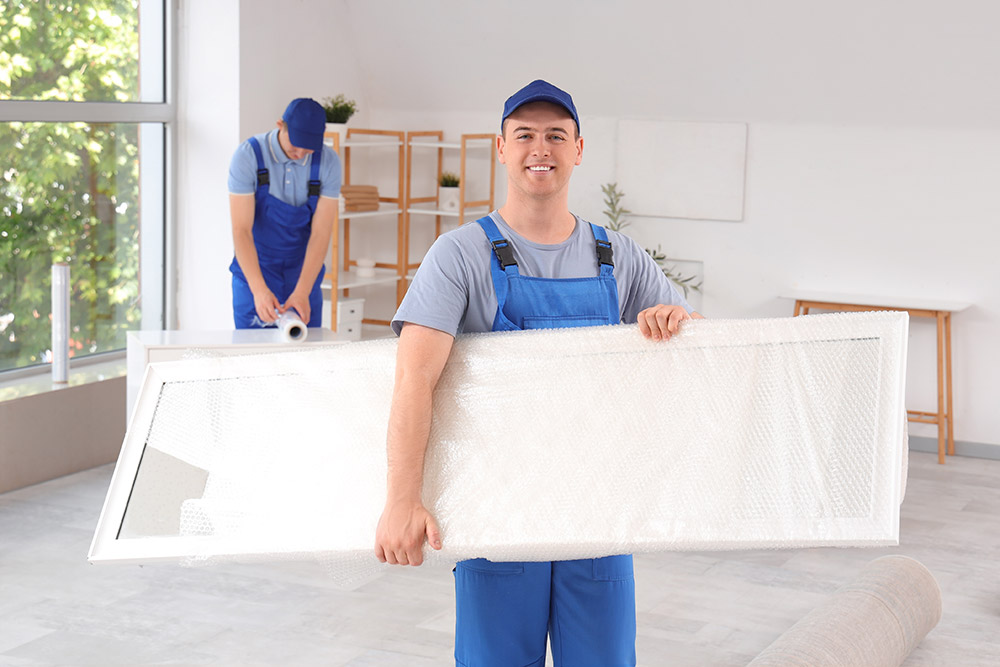
After you remove the mirror from the wall, place a layer of bubble wrap over it to create a protective barrier.
Protect the Glass, Frame and Edges
Once the mirror is off the wall, protect the glass before you start moving it:
Cover the glass first
Place a layer of packing paper over the entire front surface. This creates a protective barrier between the glass and the other packing materials.
Add bubble wrap
You can use bubble wrap safely on mirrors when applied correctly. Wrap the entire mirror, overlapping the layers as you go, and pay particular attention to the edges and corners. Don’t pull it too tight; the goal is to cushion the mirror, not put unnecessary tension on the glass.
Protect the corners
Add foam corner guards or sturdy cardboard protectors to all four corners. Corners are particularly vulnerable to knocks, so this extra layer of protection is worthwhile.
Give ornate frames extra attention
If your mirror has decorative scrollwork, gilt details or other protruding features, add additional padding around these areas. For particularly delicate frames, protect the frame separately from the glass.
Pack the Mirror in a Box
When packing a mirror inside a box, it’s important to ensure that it doesn’t move around inside the box.
Choose the Right Box
A purpose-built mirror moving box is ideal because it’s designed to provide extra protection for fragile glass. If you don’t have one, choose a strong box that’s only slightly larger than the wrapped mirror.
Cushion the Base
Add around 5 to10 cm of packing foam or loosely crumpled packing paper to the bottom of the box. This provides some cushioning against bumps and movement during transport.
Position the Mirror Upright
Whenever possible, place the mirror vertically inside the box rather than laying it flat. This is generally the safer position for transporting large mirrors.
Fill the Gaps
Pack the space around the mirror with foam, packing paper or other suitable cushioning material. The mirror should fit securely without being forced into place. If you can feel or hear it moving when you gently test the box, add more padding.
Label the Box
Clearly mark at least two sides with FRAGILE MIRROR and add THIS SIDE UP arrows. Anyone handling the box should be able to immediately see that it contains fragile glass.
Seal Everything Securely
Use heavy-duty packing tape across all seams, paying particular attention to the bottom of the box. The last thing you want is for the box to open while it’s being carried.
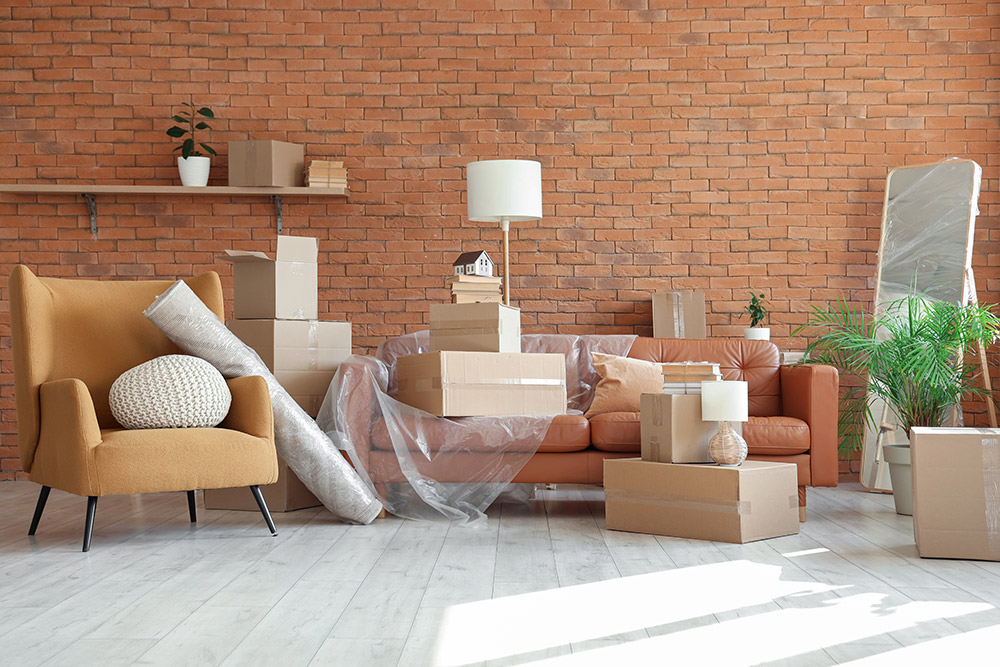
For most large mirrors, transporting it while upright is the safer option.
The Right Way to Transport Mirrors
For most large mirrors, upright transport is the safer option. Keeping the mirror vertical reduces pressure across the glass and lowers the risk of damage if the box is bumped or shifted during transit.
Flat transport can be more risky because the glass is exposed to pressure across a larger surface area. If the box moves or other items are placed on top, that pressure can be transferred to the mirror.
The exception is a purpose-built mirror box designed for horizontal transport that provides adequate internal support. If you’re using specialist packaging, follow the manufacturer’s instructions for the recommended position.
Loading and Transit
Packing the mirror properly is only half the job. How you position and secure it in the vehicle matters too:
Keep it away from heavy furniture
Place the mirror somewhere it won’t be crushed or struck by other items. Furniture and boxes can shift during transit, particularly when the vehicle turns or brakes.
Don’t stack items on top
Avoid placing other boxes or furniture on a mirror box. Even relatively light items can put unnecessary pressure on the packaging and glass.
Secure the mirror in place
Use moving blankets or suitable packing materials to stop the box from sliding, tipping or shifting during the journey. It should remain firmly in position from the moment you load it until you arrive.
Take extra care on longer journeys
For interstate moves or extended trips, protect the mirror from unnecessary exposure to extreme temperature and humidity changes where possible. This is particularly important for antique mirrors and delicate frames.
Load it towards the end
Once you’ve positioned heavier furniture, load the mirror so it isn’t trapped underneath other items. This also makes it easier to unload it promptly when you arrive.
Unpacking and Setting Up
Once you arrive, take your time when unpacking the mirror. Rushing this final step can undo all the care you took during packing.
Allow it to adjust
If the mirror has been exposed to significant temperature or humidity changes during transport, give it time to adjust to the conditions in your new home before unpacking. This can help minimise condensation forming on the glass.
Unpack carefully
Remove the tape and protective materials slowly, supporting the mirror as you go. If it’s large or heavy, have someone help you. Once unwrapped, place it on a stable, flat surface while you inspect it.
Check for damage
Examine the glass, frame, corners and edges for cracks, chips or other damage. Some minor cracks or chips may be difficult to spot at first, so inspect the mirror carefully under good lighting.
Hang it securely
Use hanging hardware that’s appropriate for the mirror’s weight and your wall type. If you’re unsure what hardware is required, check the manufacturer’s instructions or have the mirror professionally installed.
Consider Hiring Moving Professionals
Moving a large mirror safely takes planning, careful handling and the right packing materials. While you can do it yourself, large or fragile mirrors can be awkward to carry and difficult to secure properly during transport.
If your mirror is particularly large, valuable, antique or has a delicate frame, hiring professional removalists can give you added peace of mind. Experienced movers know how to handle fragile items, have the equipment to move them safely, and can take care of the packing, loading, and securing process.
Professional removalists may also have access to specialist mirror boxes, protective padding and securing equipment that you may not have at home. For valuable or irreplaceable pieces, having the right equipment and an experienced team can help reduce the risk of damage during the move.
The team at Bill Removalists has experience handling fragile and valuable items, including large mirrors. If you’re unsure whether you can safely move your mirror yourself, professional help can be a practical way to protect both the mirror and your home.
Get a Competitive & Affordable Online Quote
When it comes to moving, Bill Removalists Sydney provides the experience, equipment and support needed for a smooth, efficient and stress-free move. Whether you’re moving locally, interstate, or between offices, our team will handle every stage of your move.
Get a competitive online quote now or speak to one of our friendly representatives at 0425 351 578.
Where To Find Us?
You can find our offices here: 45 Platform Street, Lidcombe, NSW 2141
Contact Us
Email Address: info@billremovalistssydney.com.au
Call Us: 0425 351 578
We are open Monday – Sunday: 7:30am – 7:30pm.
FAQs
How do you move a large mirror without breaking it?
Start by covering the glass with packing paper, then wrap the mirror in bubble wrap with extra protection around the edges and corners. Add foam corner protectors or sturdy cardboard guards to all four corners. Place the wrapped mirror upright in a sturdy box and fill any gaps with packing material so it can’t shift during transport. Seal the box securely, label it as fragile and keep it away from heavy furniture and other items that could move against it.
Should mirrors be transported flat or upright?
For most large mirrors, upright transport is the safer option. Keeping the mirror vertical reduces pressure across the glass and can help minimise the risk of damage if the box moves during transit. A purpose-built mirror box may allow for horizontal transport if it has suitable internal support, so always follow the packaging manufacturer’s instructions.
How do you protect mirror corners during a move?
Use foam corner guards or L-shaped cardboard protectors on all four corners before wrapping. These absorb impact if the mirror strikes something. Then wrap the entire mirror in bubble wrap, with extra layers around the edges for added cushioning.
Can bubble wrap damage mirrors?
No, bubble wrap is one of the safest materials for mirrors because the air bubbles cushion impact without creating pressure. Use it generously with 3–4 layers for large mirrors, combined with kraft paper underneath and corner protectors on all corners.
How do you secure mirrors inside a moving truck?
Place the mirror box on a flat surface where it won’t slide, and wedge it in place with blankets or padding so it can’t move during turns or stops. Never stack other boxes or furniture on top of the mirror box, and keep it away from heavy items that might shift against it.
Is it worth hiring professionals to move large mirrors?
For valuable, antique, or very large mirrors, yes. Professional removalists have specialist equipment, experience with fragile items, and insurance coverage. For standard household mirrors, DIY is manageable with careful packing. For anything irreplaceable or worth a lot of money, professionals remove the risk.

About The Author
Bill Chen
Before 2008, Bill was working with a local removalist company in Sydney and was witness for a number of deformities and wrongs in the working of the company. Observing the atmosphere, a thought came to Bill’s mind that he could do much better if he were the owner of the company, by offering a fully transparent service to the clients with a friendly and trustworthy staff and no hidden fee structure; and thus, in 2008, AAA Bill Removalists Sydney was formed with just one truck and only Bill as staff. Even if Bill Chen began the company as just one man, the company grew fast. The operation expanded beyond the Sydney suburbs and to the surrounding cities: Wollongong, Wagga Wagga, Albury, Sunshine Coast, Gold Coast, Coffs Harbour, Canberra, Newcastle, Melbourne, Brisbane, and other.
Most Popular Posts

May 31, 2022

August 9, 2022

March 15, 2023

November 4, 2021
Complete Checklist of Addresses to Change When Moving in Australia


