

Last updated on April 15, 2026
Transporting large or oddly shaped cargo often involves terms like wide load and oversize load. Understanding the difference is important for planning logistics, securing permits and ensuring safe transportation.
For removalists and freight providers, these distinctions affect how cargo is transported, which routes are allowed and whether additional safety measures are required. At Bill Removalists, our team regularly manages oversized and wide loads when transporting items such as building materials and heavy equipment.
This guide explains what each term means, how they differ and why it matters for safe and compliant transport.
What is an Oversized Load?
An oversized load refers to any vehicle or cargo that exceeds the standard legal limits for road transport. These limits are set by transport authorities and apply to the overall width, height, length and weight of the vehicle and its load.
When cargo exceeds any of these dimensions, it is classified as an oversized load and must follow specific regulations. These regulations may include permits, route restrictions and additional safety requirements.
Oversized loads commonly occur when transporting large machinery, prefabricated structures, construction materials or industrial equipment. As these loads exceed standard transport limits, careful planning is required to move them safely.
To better understand typical transport limits, see the general reference table below:
| Dimension | Standard Limit (Typical) |
|---|---|
| Width | Around 2.5 metres |
| Height | Around 4.3 metres |
| Length | Varies by vehicle combination |
| Weight | Determined by axle and vehicle limits |
These limits vary depending on vehicle type, regulations and specific freight conditions.
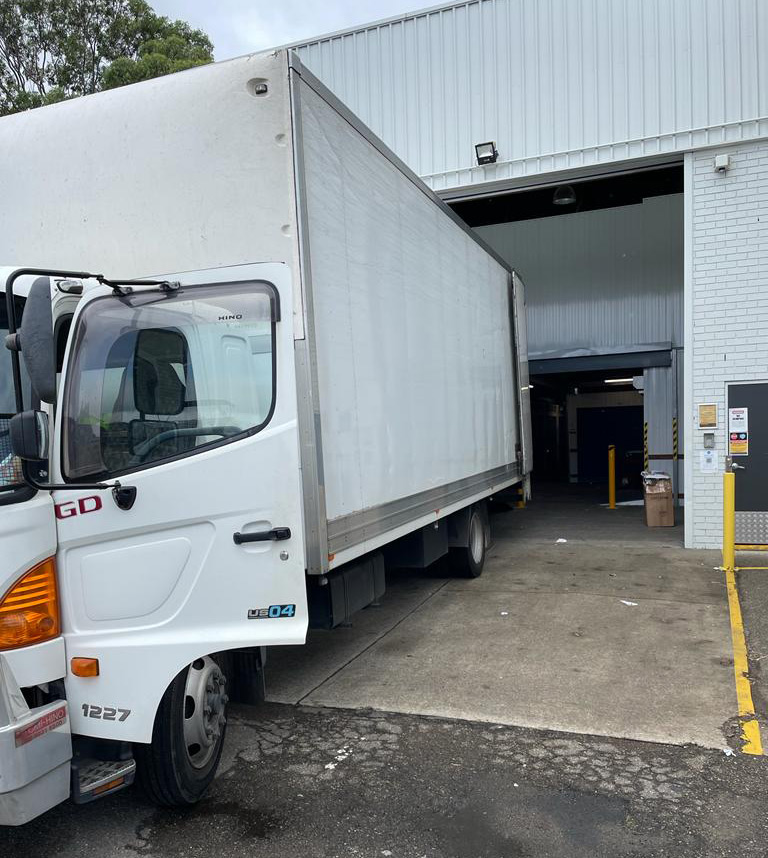
A wide load is cargo that exceeds the permitted width.
What is a Wide Load?
A wide load is a specific type of oversized load that exceeds the legal width limit for road transport. Unlike the broader oversize classification, a wide load focuses specifically on cargo that extends beyond the permitted width.
As wide loads take up more road space than standard vehicles, they often require additional safety measures such as warning signage, escort vehicles and specialised route planning. In Australia, the wide load threshold is typically above 2.5 metres. When cargo exceeds these limits, it must be transported in accordance with specific regulations designed to maintain road safety.
Wide Load vs Oversize Load: Key Differences
Although the terms are closely related, they are not identical. The difference lies in the dimensions that exceed legal transport limits.
| Feature | Wide Load | Oversize Load |
|---|---|---|
| Definition | Exceeds legal width limit | Exceeds width, height, length or weight |
| Category | Specific classification | Broad classification |
| Example | Wide modular structure | Tall crane, long trailer or heavy machinery |
| Permits | Often required | Usually required |
Why the Difference Between Wide and Oversized Loads Matters
Understanding the difference between wide loads and oversized loads is important for planning safe, efficient and compliant transport. When cargo exceeds standard road limits, it can no longer be handled in the same way as regular freight. Instead, it requires additional planning, specialised vehicles and strict adherence to transport regulations.
Permit Requirements
Transporting oversized or wide loads often requires permits issued by transport authorities. These permits confirm that the cargo can travel on certain roads and under specific conditions. They may also outline restrictions such as travel times, speed limits and escort vehicle requirements.
At Bill Removalists, we manage this process by checking the load dimensions, securing the necessary permits and ensuring the transport plan meets all regulatory requirements.
Route Planning
Oversized freight cannot always travel along standard routes. Transport operators must carefully plan the journey to avoid obstacles such as low bridges, narrow roads, sharp turns or restricted access areas.
In some cases, oversized loads are only permitted to travel during certain times of the day to minimise traffic disruption. Detailed route planning ensures the load can move safely while avoiding delays or compliance issues.
Safety and Compliance
Safety is a critical part of transporting oversized freight. Depending on the size and dimensions of the cargo, additional measures may be required, such as escort vehicles, warning signage and controlled travel speeds. These precautions help ensure the safety of both the transport crew and other road users. By following these regulations, removalists can move large items safely while remaining fully compliant with transport laws.

Removalists follow a structured process when managing oversized or wide loads to ensure that it gets to its destination safely and efficiently.
How Removalists Handle Oversized or Wide Loads
Professional removalists follow a structured process when managing oversized freight. This approach ensures that large items can be transported safely, efficiently and in line with transport regulations.
The process usually begins with a detailed assessment of the cargo. Removalists measure the height, width, length and weight of the load to determine whether it exceeds legal transport limits. This information helps identify whether the freight is classified as a wide load, an oversized load or both.
Once the dimensions are confirmed, the next step is reviewing transport regulations and permit requirements. At Bill Removalists, we will also determine whether special permits, escort vehicles or route restrictions apply before the move begins.
After permits and approvals are secured, the transport team plans the safest and most efficient route. This involves checking road access, bridge clearances, turning space and any restrictions that may affect the journey.
Finally, the load is prepared for transport using the appropriate vehicles and lifting equipment. Depending on the cargo, this may involve crane trucks, specialised trailers or secure load restraints to ensure the freight remains stable during transit.
By following this structured process, removalists can safely transport oversized or wide loads while minimising delays and ensuring compliance with transport regulations.
Get a Competitive & Affordable Online Quote
When it comes to transporting wide or oversized loads, Bill Removalists Sydney provides the expertise, specialised equipment and logistics support needed for a safe, compliant and efficient move. Whether you’re moving large furniture, industrial equipment or oversized freight, our team can help manage permits, route planning and secure transport from start to finish.
Get a competitive online quote now or speak to one of our friendly representatives at 0425 351 578.
Where To Find Us?
You can find our offices here: 45 Platform Street, Lidcombe, NSW 2141
Contact Us
Email Address: info@billremovalistssydney.com.au
Call Us: 0425 351 578
We are open Monday – Sunday: 7:30am – 7:30pm
FAQs
What is considered an oversized load in Australia?
An oversized load is any cargo that exceeds the standard legal limits for width, height, length or weight set by transport authorities. In Australia, these limits typically include a width of about 2.5 metres and a height of around 4.3 metres. When freight exceeds these dimensions, special permits, route planning and safety requirements may apply.
What is considered a wide load?
A wide load refers specifically to cargo that exceeds the legal width limit for road transport. In most Australian jurisdictions, this means anything wider than approximately 2.5 metres. Wide loads may require warning signage, permits or escort vehicles depending on their size and the route being used.
What types of items are commonly transported as oversized loads?
Oversized loads often include large construction materials, industrial machinery, modular building components, warehouse equipment and oversized commercial furniture. These items exceed standard transport dimensions and require specialised planning to move safely.
What types of items are commonly transported as wide loads?
Common examples include large construction materials, prefabricated building sections, industrial machinery, oversized commercial equipment and certain types of warehouse racking or shelving systems. These items often require specialised transport planning, warning signage and, in some cases, escort vehicles to ensure they can be moved safely and in compliance with road regulations.
How do removalists determine if a load is oversized or wide?
Removalists measure the load’s width, height, length and weight before transport. These measurements are then compared with legal road transport limits. If the cargo exceeds any of these limits, it may be classified as an oversized or wide load and require special permits and transport arrangements.

About The Author
Bill Chen
Before 2008, Bill was working with a local removalist company in Sydney and was witness for a number of deformities and wrongs in the working of the company. Observing the atmosphere, a thought came to Bill’s mind that he could do much better if he were the owner of the company, by offering a fully transparent service to the clients with a friendly and trustworthy staff and no hidden fee structure; and thus, in 2008, AAA Bill Removalists Sydney was formed with just one truck and only Bill as staff. Even if Bill Chen began the company as just one man, the company grew fast. The operation expanded beyond the Sydney suburbs and to the surrounding cities: Wollongong, Wagga Wagga, Albury, Sunshine Coast, Gold Coast, Coffs Harbour, Canberra, Newcastle, Melbourne, Brisbane, and other.
Most Popular Posts

May 31, 2022

August 9, 2022

March 15, 2023

November 4, 2021
Complete Checklist of Addresses to Change When Moving in Australia


