

Last updated on January 21, 2026
Industrial relocation is a complex logistical exercise. Whether you are moving a warehouse, shifting machinery, or transporting high-value production assets, industrial moving demands a level of planning, compliance and specialist handling that goes far beyond standard commercial removals.
At Bill Removalists Sydney, we offer integrated support across the entire industrial moving process. Examples of services we offer include building material delivery, cargo transportation, container transport and heavy equipment shipping. This enables businesses to relocate safely and efficiently, whether within Sydney or across state borders, while maintaining operational continuity.
Here are the key steps to follow when planning a safe and efficient industrial move.
Start with Strategic Planning and Operational Assessment
Industrial relocation starts well before anything is loaded onto a truck. The first step is a strategic assessment that outlines exactly what needs to be moved, what equipment must be disconnected, which parts of the operation need to keep running during the transition, and what risks should be managed early.
This assessment also looks at practical requirements such as site access, how machinery will be extracted, whether cranes or forklifts are needed, any oversize freight considerations, and the correct shutdown procedures for key equipment.
For most organisations, this planning stage is crucial. It sets realistic timelines, helps anticipate potential challenges, and gives a clear picture of how much downtime the relocation may involve.
Build a Logistics Timeline That Minimises Downtime
Downtime is often the most costly part of an industrial relocation, so having a well-planned logistics timeline is essential. This timeline outlines when each piece of machinery will be removed, when pallets and inventory will be moved, and how delivery and re-assembly will be scheduled to keep production running for as long as possible.
To achieve this, businesses may use strategies such as staged packing, staggered freight movements, temporary storage solutions, or scheduling transport during off-peak times like overnight or on weekends. Aligning the relocation with existing production cycles also helps reduce disruption.
Bill Removalists work closely with internal teams to coordinate these steps, ensuring operations remain as uninterrupted as possible throughout the move.
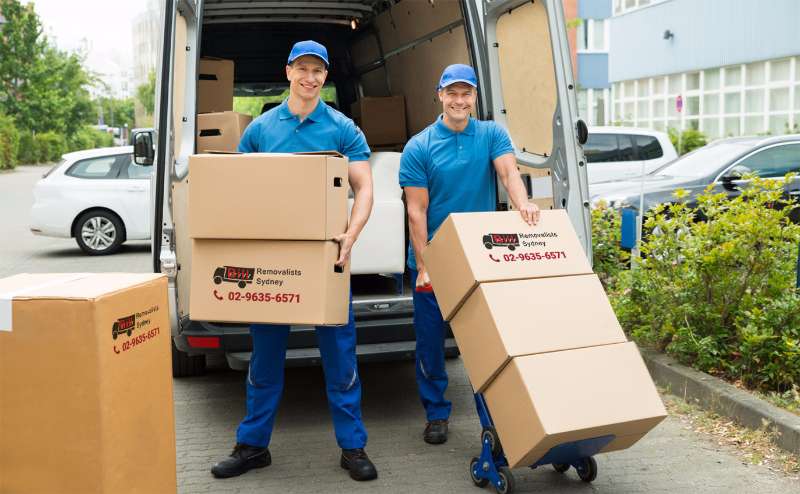
Industrial moving requires numerous steps including building a logistics timeline, preparing and protecting machinery and equipment and selecting the right transport platforms.
Prepare and Protect Machinery and Equipment
Industrial equipment can’t just be switched off and moved. Many machines require proper electrical isolation, hydraulic or coolant drainage, and a controlled mechanical shutdown before they can be safely transported. Loose parts must be secured, removable fittings taken off, and any fragile components carefully protected.
Once prepared, equipment is stabilised using materials such as engineered strapping, padding, load-rated anchors and vibration-control systems.
These measures prevent unnecessary movement or stress during transport. Without this level of preparation, machinery is far more likely to suffer damage, making it one of the most important steps in any industrial relocation.
Manage Regulatory, Safety and Compliance Requirements
Industrial relocation in Australia is heavily regulated, and it’s essential to meet all compliance requirements before any freight is moved. Heavy-vehicle mass limits, oversize load approvals, fatigue-management laws, hazardous-goods rules and state-specific road access restrictions all play a role in how equipment can be transported.
Having the right permits and paperwork is crucial to avoiding fines, delays or even having a load stopped in transit. Bill Removalists can help to manage these requirements to ensure a smooth relocation. This includes securing route approvals, ensuring oversize freight meets state regulations, arranging escort vehicles when needed, and upholding all Chain of Responsibility obligations.
Select the Right Transport Platforms and Freight Method
Industrial relocations require specialised transport, not standard trucks. The type of vehicle and equipment used depends on the weight, size, sensitivity and destination of the freight.
Options include:
- Cargo trucks with reinforced flooring
- Air-ride trailers for vibration-sensitive machinery
- Crane trucks
- Containerised freight
- Pilot-escorted heavy loads
Execute Heavy Equipment Handling Safely
Moving heavy equipment carries significant risk. Incorrect lifting can bend structural frames, damage hydraulic systems or throw machinery out of alignment. Ensuring balanced weight distribution is also critical, as an uneven load can create rollover risks during transport.
Transporting heavy equipment safely and efficiently is key. Professional industrial movers manage these challenges using rigging systems, cranes, qualified handlers and industry-rated securing equipment. Every lift is carefully planned, stabilised and monitored to protect both the machinery and the safety of everyone involved.
Coordinate Interstate Relocation Requirements
Moving industrial freight across state borders adds another layer of complexity. Each Australian jurisdiction has its own rules regarding oversize loads, permitted travel times, approved routes, escort vehicle requirements and the types of permits needed.
Bill Removalists manages these variations on your behalf, ensuring compliance across states such as Queensland, Western Australia and the Northern Territory. This coordination helps keep your freight moving legally and without unnecessary delays.
Protect Cargo in Transit
Industrial cargo must be secured to withstand long distances, vibration and movement during transport. Freight is stabilised using a combination of strapping, dunnage, padded restraints, corner protectors and engineered load-containment systems.
These measures prevent items from shifting, being crushed or sustaining surface damage while in transit. Proper load positioning inside the truck also ensures weight is balanced and sensitive components are fully protected throughout the journey.
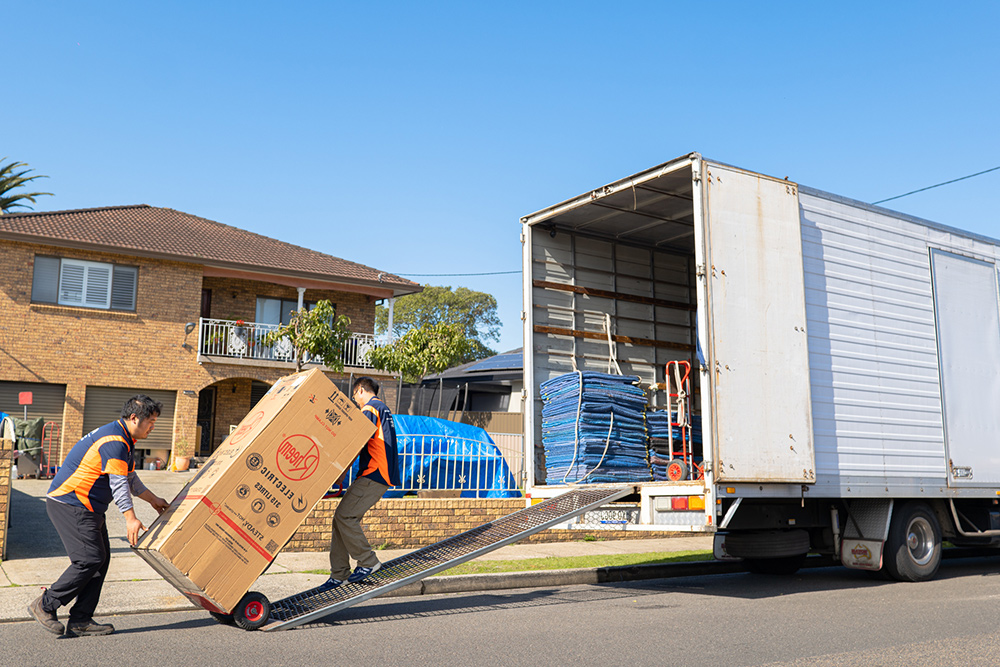
Industrial cargo must be properly stabilised in transit to prevent items from shifting, being crushed or sustaining surface damage.
Support Installation, Unloading and Delivery
The final stage of an industrial relocation focuses on safely re-establishing operations. This can involve unloading palletised stock, positioning machinery, reconnecting utilities, stabilising equipment and confirming that every asset matches the original inventory list.
A structured handover process helps ensure nothing is misplaced, damaged or installed incorrectly. Bill Removalists can manage the unloading sequence and placement of equipment so your team can resume production as efficiently as possible.
Review, Finalise and Re-Optimise
Once all equipment is installed, a post-relocation review ensures the new setup supports efficient operations. Even small adjustments, such as refining equipment alignment, repositioning pallets or improving storage layouts, can enhance workflow and reduce unnecessary movement.
Get a Competitive & Affordable Online Quote
When it comes to industrial moving, Bill Removalists Sydney offers everything you need for a stress-free and affordable move. We’re committed to protecting your equipment, inventory and machinery, and specialise in transporting industrial assets securely and efficiently to their new location.
Get a competitive online quote now or speak to one of our friendly representatives at 0425 351 578.
Where To Find Us?
You can find our offices here: 45 Platform Street, Lidcombe, NSW 2141
Contact Us
Email Address: info@billremovalistssydney.com.au
Call Us: 0425 351 578
We are open Monday – Sunday: 7:30am – 7:30pm
FAQs
How long does industrial relocation take?
The timeline depends on the complexity of the equipment being moved, shutdown procedures, transport distances and installation requirements at the new site. A detailed relocation plan helps streamline these steps, minimise downtime and provide a more accurate delivery schedule.
Can heavy machinery be transported interstate?
Yes. Bill Removalists can transport heavy machinery across state borders, managing all necessary oversize permits, pilot escort arrangements, approved travel routes and compliance with state-specific regulations to ensure a smooth and legal relocation.
What vehicles are used for industrial moving?
The type of vehicle depends on the weight, size and sensitivity of the load. Common options include reinforced cargo trucks, crane-equipped vehicles, container transport units and air-ride trailers designed to reduce vibration for delicate machinery.
How do you minimise risk of equipment damage?
Damage is prevented through proper shutdown procedures, secure anchoring, protective padding, vibration-control systems and compliant lifting equipment. Each step helps maintain machinery integrity and ensures it arrives safely at its destination.

About The Author
Bill Chen
Before 2008, Bill was working with a local removalist company in Sydney and was witness for a number of deformities and wrongs in the working of the company. Observing the atmosphere, a thought came to Bill’s mind that he could do much better if he were the owner of the company, by offering a fully transparent service to the clients with a friendly and trustworthy staff and no hidden fee structure; and thus, in 2008, AAA Bill Removalists Sydney was formed with just one truck and only Bill as staff. Even if Bill Chen began the company as just one man, the company grew fast. The operation expanded beyond the Sydney suburbs and to the surrounding cities: Wollongong, Wagga Wagga, Albury, Sunshine Coast, Gold Coast, Coffs Harbour, Canberra, Newcastle, Melbourne, Brisbane, and other.
Most Popular Posts

May 31, 2022

August 9, 2022

March 15, 2023

November 4, 2021
Complete Checklist of Addresses to Change When Moving in Australia


